
Complementary and alternative medicine (CAM) is treatment that falls outside of mainstream healthcare. These treatments range from acupuncture and homeopathy, to aromatherapy, meditation and colonic irrigation.
What are the five examples of alternative medicine?
What are the different types of CAM?
- Acupuncture.
- Ayurveda.
- Homeopathy.
- Naturopathy.
- Chinese or Oriental medicine.
Acupuncture is a centuries-old healing practice with many proven benefits. Let’s discuss the ancient art and how it can lead to greater wellbeing.
Acupuncture is a traditional Chinese medical practice that involves the insertion of fine needles into specific points on the body to stimulate the flow of qi (pronounced “chee”), or life energy, along the body’s meridians. The goal of acupuncture is to restore balance and harmony to the body and to promote natural healing.
To restore balance in acupuncture, a practitioner will first assess a patient’s overall health and identify any imbalances in the flow of qi. This assessment may involve taking a detailed medical history, observing the patient’s physical appearance, and palpating (feeling) certain areas of the body for tenderness or other signs of imbalance.
Once the imbalances have been identified, the practitioner will select specific acupuncture points to stimulate based on the patient’s individual needs. These points may be located along the affected meridian or on other parts of the body that are believed to be connected to the affected area.
During the acupuncture treatment, the practitioner will insert the needles into the selected points and manipulate them gently to stimulate the flow of qi. The needles are typically left in place for several minutes, during which time the patient may experience sensations of warmth, tingling, or heaviness in the affected area.
After the treatment, the practitioner may recommend dietary and lifestyle changes to support the body’s natural healing process and to maintain balance in the long term. Regular acupuncture treatments may also be recommended to help prevent future imbalances and to promote overall health and wellbeing.
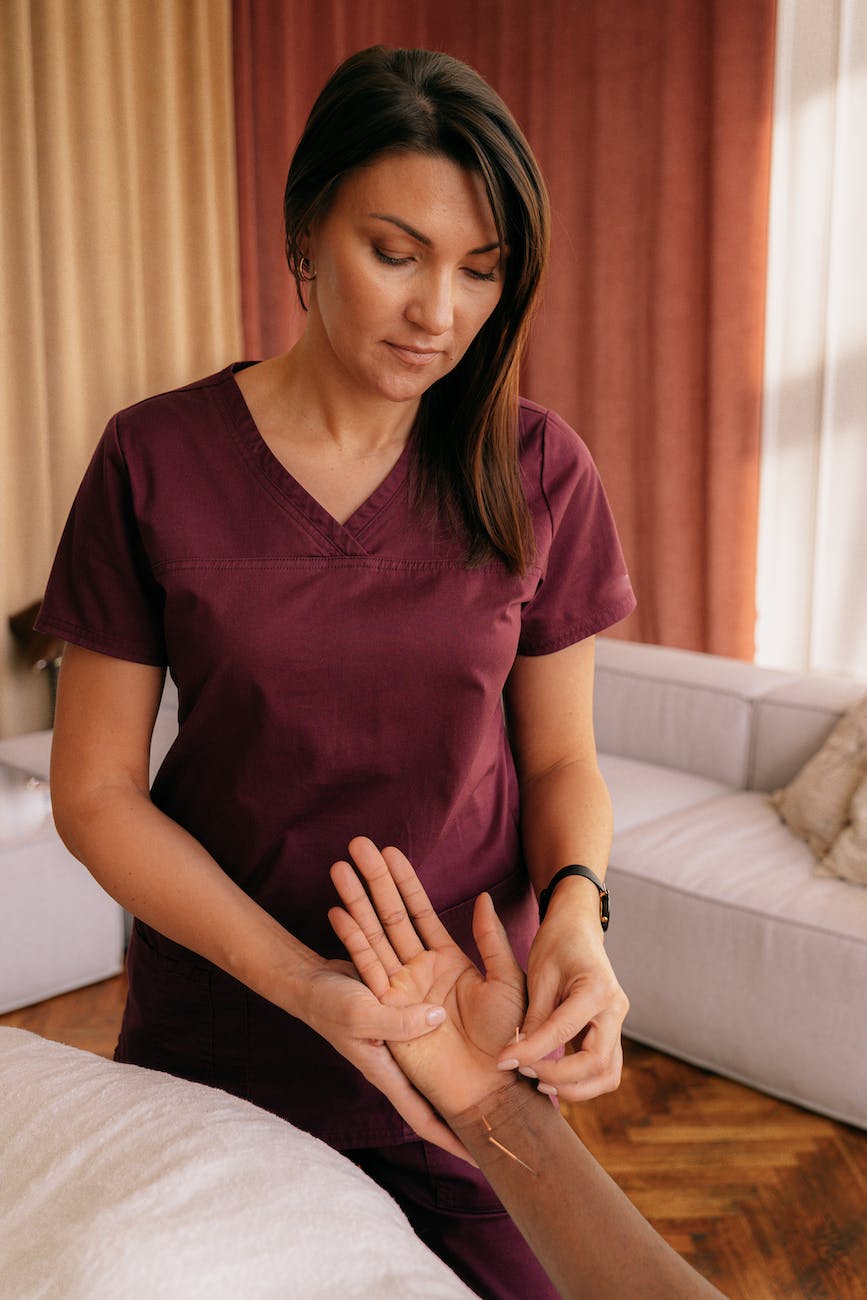
While the practice of acupuncture is often debated, there are many potential benefits that have been reported by those who have tried it. Some of the benefits of acupuncture may include:
- Pain relief: Acupuncture has been found to be effective in reducing pain, particularly chronic pain that has not responded well to other treatments.
- Stress reduction: Acupuncture can help to reduce stress and anxiety, which can have a positive impact on overall health and well-being.
- Improved sleep: Many people report that acupuncture helps them to sleep better and feel more rested.
- Digestive health: Acupuncture has been found to be effective in treating digestive issues such as nausea, bloating, and constipation.
- Headache relief: Acupuncture may help to reduce the frequency and severity of headaches and migraines.
- Improved immune function: Acupuncture has been found to help boost the immune system, which can help to prevent illness and disease.
- Improved fertility: Acupuncture may be helpful for couples struggling with infertility, as it can help to regulate hormone levels and improve blood flow to the reproductive organs.
It’s important to note that while acupuncture can be a helpful complementary therapy for many people, it should not be used as a substitute for medical care.
Acupuncture can provide powerful healing and balancing benefits for your body.
For years I have trusted an experienced local acupuncturist to help me achieve this harmony – a friend of mine that I highly recommend. If you’re looking to improve your well-being through acupuncture, then look no further than the link below!
 Novae Coaching
Leave a comment